Posts by members
Three Questions To Ask Before Entering Conversation Around Social Issues

When big social issues arise, I often hear both my colleagues and my clients ask the same thing: “What should we be doing or saying about this issue?” Excellent question. Advertising makes up approximately 27% of every hour of traditional television in the United States and the general person in the US is exposed to somewhere between 4,000 and 10,000 advertisements a day.
Read MoreListening and Painting
The world has changed dramatically since we were founded in 2004, and so have we. We’ve grown from scrappy underdogs to global leaders, from a Brooklyn based team of 5 to a bi-coastal company of nearly 100.
Read MoreCulturally Aligning your Brands Ethos in a Complex Climate
First, I want to acknowledge that brands have a lot on their shoulders in this current complex climate! They have to consider their consumers who expect empathy as well as transparency and accountability in living up to what they stand for.
Read MoreWhat the Potential Recession Means for Education Marketing

This year, education marketers have invested more in expanding reach than any year before due to factors like social media marketing, crowdsourcing, and micro influencer marketing. With 36% of campuses experiencing a fall in campus visit requests, universities and other higher education institutions are adopting digital marketing to enhance their student recruitment.
Read MoreBrand Truths In Every Message, Every Pivot and Every Action
It starts with an honest assessment of what the brand actually currently represents to customers, employees and the general public. It is only from here that you can identify the opportunities or needs for realignment and do so through the lens of a much more consciously aware society.
Read MorePSA: Brands can no longer be impartial
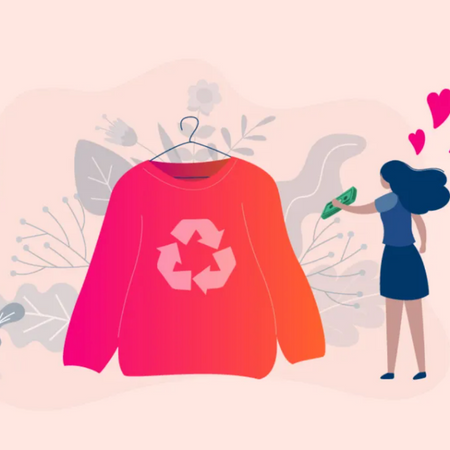
The pandemic fundamentally shifted the way brands talk to consumers. The influx of the economy and extreme political polarization, accelerated by the pandemic, increasingly influenced consumers to shop based on their social values – actualizing when protestors took to the streets over racial injustice after the murder of George Floyd.
Read MoreHow Brands Stay Genuine During Pride
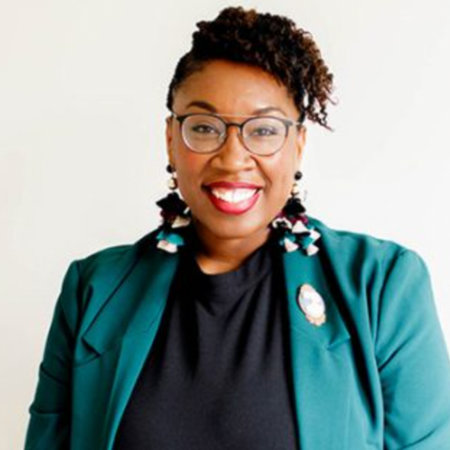
Our research at Nielsen shows that globally LGBTQ+ people felt the best way to improve inclusion in the media was to avoid stereotyping and tropes. That means that marketers have to get to know the community they’re trying to reach. You can’t do that one time a year. You can’t do that by speaking to just one segment of a population. Keep it intersectional, informed by the community and closely tied to what matters to them.
Read MoreCommunicating to the LGBTQIA+ Community: during Pride and Beyond
As a data strategist my job is to understand how people perceive and relate to brands and culture. As a member of the queer community, annually I find myself as both advertiser and target audience during Pride.
Read MoreBrands Are More Than Just Narrators – Creative Director Thoughts on Inclusivity

My best advice to brands is to not be swayed by public reactions and stand firm with the community. I think what stings more in times of uncertainty—more than the rainbow logo timer that is set June 1 and ends July 1—is backing down from good ideas and intersectional opportunities. I have heard anecdotes from many creatives in the industry about amazing ideas, and even opportunities for positive representation, that were never executed because of fear of bad PR or backlash.
Read MoreGet Over the Rainbow-Washing: How Advertisers can create lasting change for the LGBTQI+ community
Around the world, Pride is celebrated in June to empower and amplify the LGBTQI+ community through parades, parties, protests, and marches, deriving from the Stonewall Riots in NYC. Cut to fifty-plus Prides later, we are seeing more companies showing their support for the LGBTQI+ community by incorporating Pride colors into their products, rainbow logos on social media, and sponsoring Pride events, jumping on the rainbow train, so to speak.
Read More